
Demo build — impact figures, stories, names, and testimonials on this site are sample content for design review. Replace with verified data and released quotes before launch.
Need help? Apply for assistance Support line: 484-320-7564 Contact

Our Programs

Six programs. One guiding question: what does each household need to live safely, securely, and independently?

How it fits together

Most families we serve touch more than one program.

A U.S. veteran or first responder might come to us for an emergency hotel stay, move into transitional housing while we strive for a more permanent solution, and end the year in permanent housing with any necessary ADA upgrades. One case manager stays with the family through the entire process.

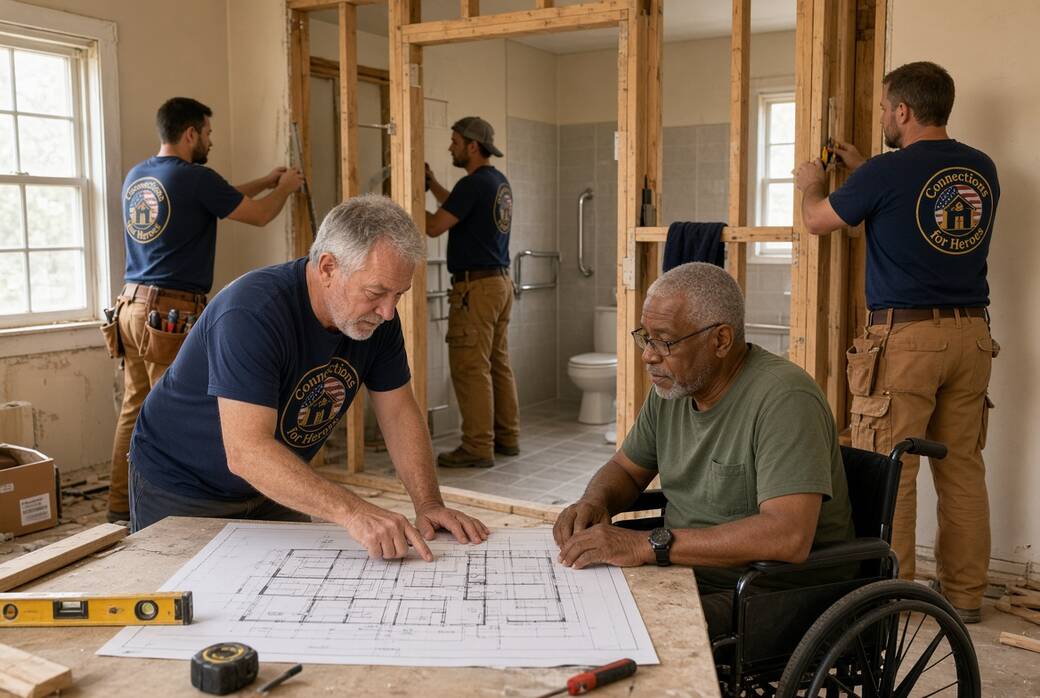
A crew in Connections for Heroes shirts frames a new accessible bathroom while the homeowner, seated in a wheelchair, reviews the blueprints with the site lead.01

AI-generated image. It will be replaced with a real photo as they become available.

Home Renovations

Critical repairs, safety upgrades, and full rehabs for veterans and first responders whose homes have outpaced their ability to maintain them. Roofs, wiring, HVAC, mold, structural work — at no cost to the family.

See what's covered
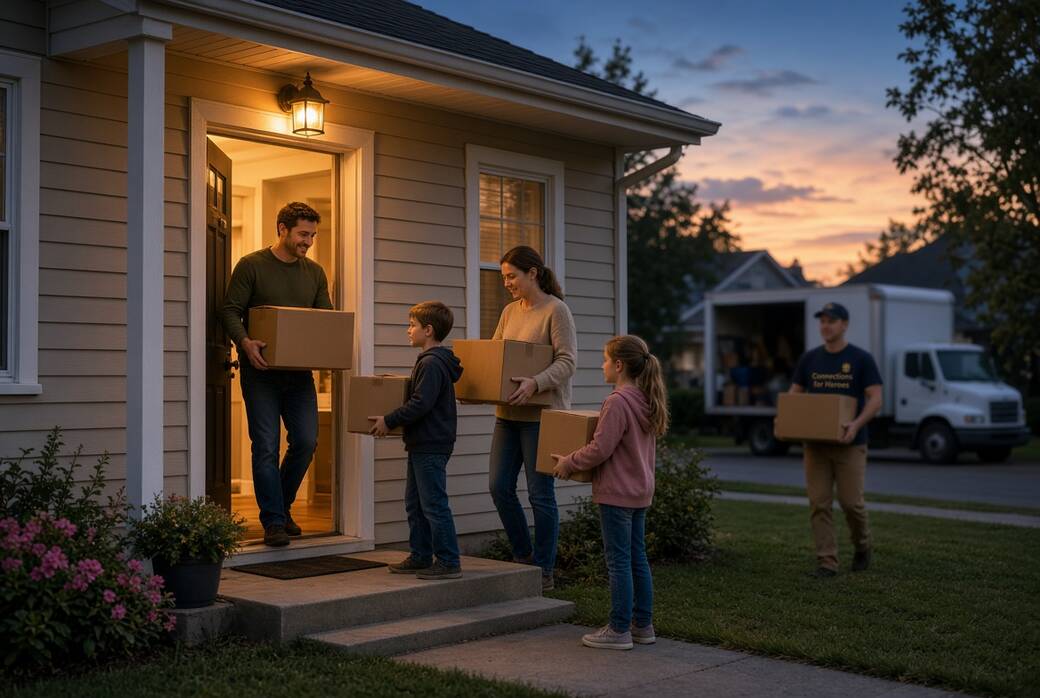
A family carries moving boxes through the front door of a modest single-family home at dusk, porch light glowing, a Connections for Heroes truck unloading at the kerb.02

AI-generated image. It will be replaced with a real photo as they become available.

Temporary & Permanent Housing

Emergency placement when available, transitional units with case management, and a pathway to permanent placement. We cover deposits, arrears, and the first months that make a lease stick.

See housing pathways
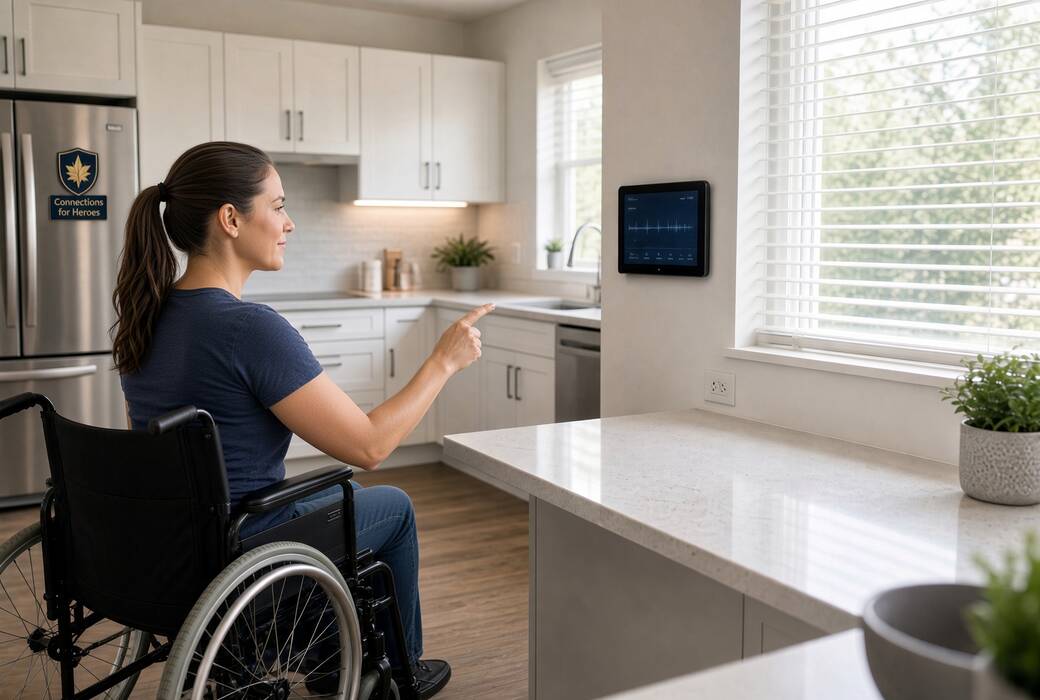
A woman reaches from her wheelchair to a wall-mounted smart-home panel in a bright kitchen with lowered counters and a zero-step entry.03

AI-generated image. It will be replaced with a real photo as they become available.

ADA & Smart Home Renovations

Zero-step entries, roll-in showers, widened doorways, lowered counters, voice and app-controlled lighting, locks, and climate — so independence doesn't depend on someone else being home.

See accessibility work
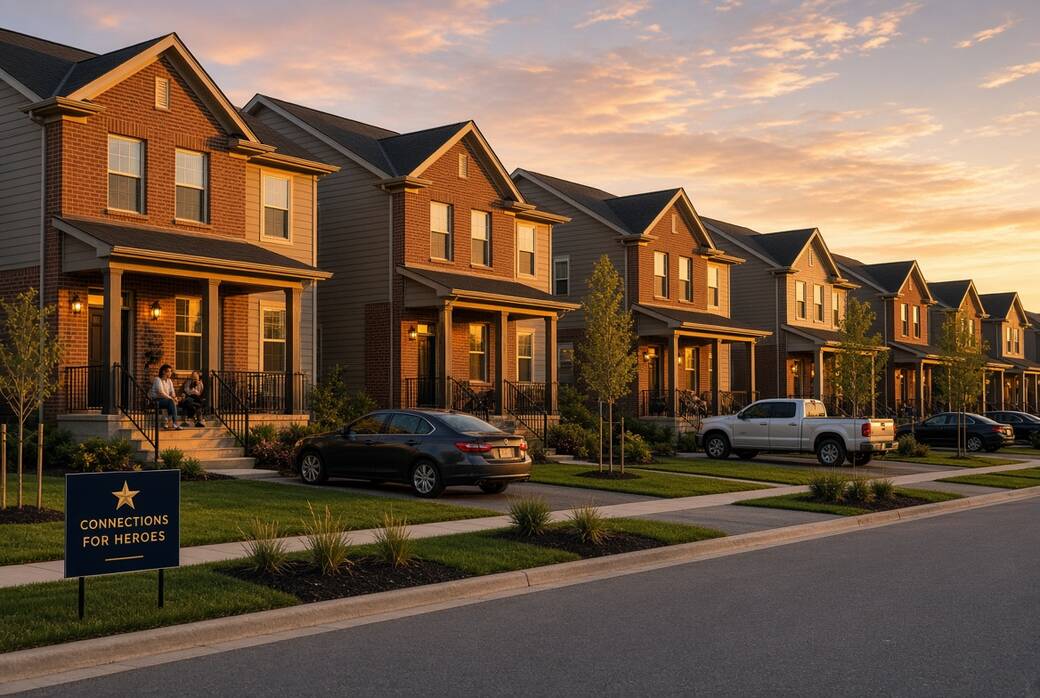
A completed row of brick townhomes at golden hour with a Connections for Heroes sign on the lawn, newly developed as housing for veterans and first responders.04

AI-generated image. It will be replaced with a real photo as they become available.

Property Development

We find, acquire, rehabilitate, and develop property to create housing that doesn't exist yet — apartments, multifamily housing, prefabricated homes, townhomes, and single-family builds. Placement only works if there is somewhere to place people.

See property development options
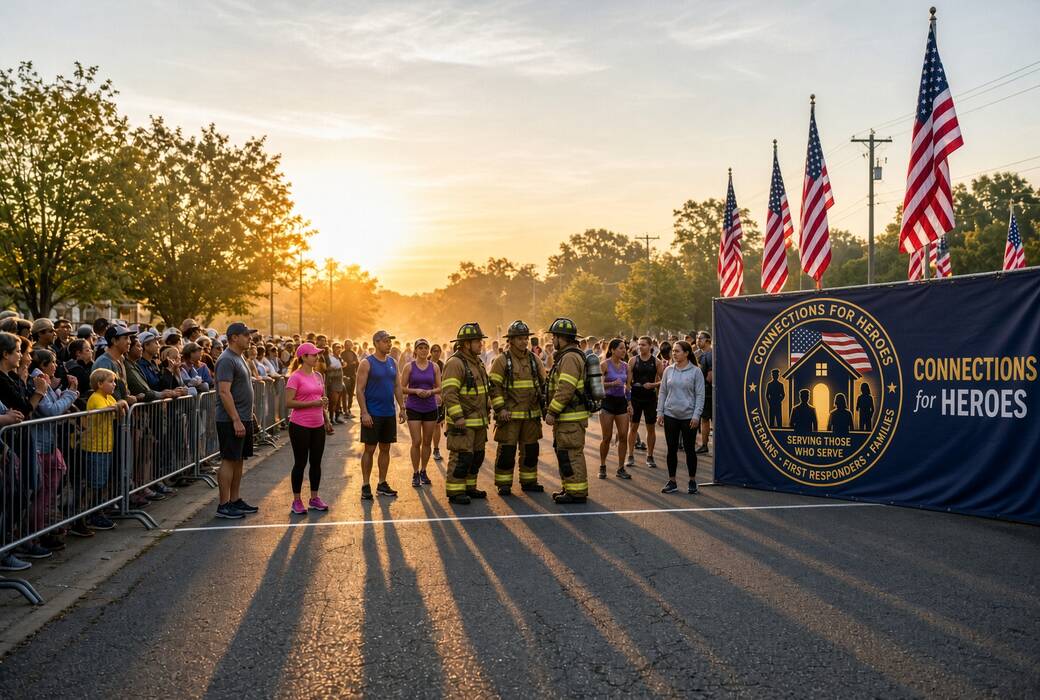
Runners, firefighters in full turnout gear, and cheering families at the sunrise start line of a community 5K, beside a Connections for Heroes banner and a row of American flags.05

AI-generated image. It will be replaced with a real photo as they become available.

Events & Awareness

5Ks, ruck marches, golf classics, gala nights, and station open houses — the events that fund the builds, recruit the volunteers, and keep these needs visible in the communities where they happen.

See event program information
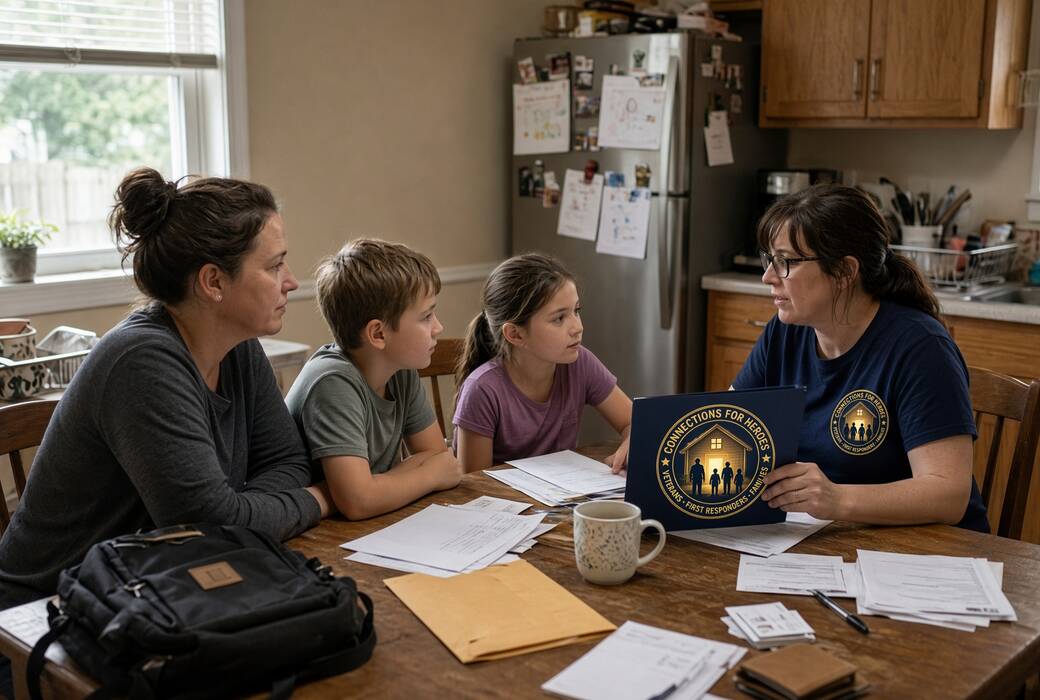
A mother and her two children sit at their kitchen table with a Connections for Heroes case manager, paperwork and coffee spread between them.06

AI-generated image. It will be replaced with a real photo as they become available.

Family Support

Caregiver relief, benefits navigation, emergency essentials, holiday support, and peer connection for spouses and kids. The whole household serves, yet it is often the last to ask for help.

See family support

Eligibility, plainly

Who we serve

U.S. veterans of any era and discharge status other than dishonorable; active and retired firefighters, law enforcement, EMS, and 911 dispatchers; and the spouses, caregivers, and dependent children of both groups.

The process

From first contact to final walkthrough.

Six steps, one point of contact.

  1. Apply or call. A ten-minute form or one phone call. Response within 10 working days.
  2. Intake conversation. A case manager learns the whole situation — not just the item you asked about — and confirms service verification.
  3. Home assessment. For renovation and accessibility work, a licensed contractor and a certified aging-in-place specialist (if necessary) walk the property with you.
  4. Scope and schedule. If approved, you get a written scope, a cost estimate we fund, and a real start date. If we can't do all of it, we say so and connect you to who can.
  5. Build or placement. Permitted work goes to licensed trades. Trained volunteers may handle non-critical work as deemed appropriate.
  6. Walkthrough and follow-up.
    • Final walkthrough and warranty documents. You sign off, we photograph the work.
    • If you would like to share your story, we document the project and your thoughts.
    • Check-ins at 30 days, 6 months, and one year after completion.